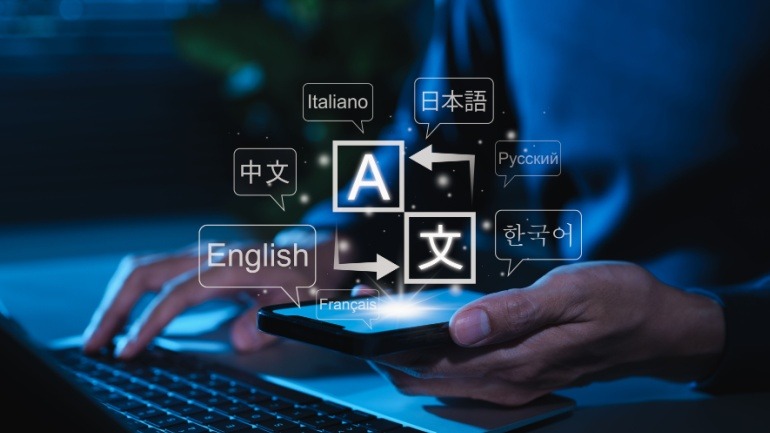
In an era where digital connectivity is pivotal, live translation in Unified Communications (UC) is reshaping interactions. Geographical barriers in global collaborations are diminishing, but a language barrier persists. Enter the solution: AI-powered live translation, seamlessly integrated by many platforms to create more inclusive virtual environments.
Imagine the seamless experience of attending a meeting without language barriers. AI processes speech, converting it to text or audio in real time. This feature enhances the user experience, improving accessibility and understanding across languages. As a result, platforms such as Microsoft Teams, Zoom, and Slack are baking these capabilities into their systems.
Adopting real-time translation isn’t just about eliminating language hurdles—it’s about transforming global teams. Almost 79% of organizations report increased engagement from non-native English speakers. A staggering 88% experience multi-lingual meetings, often juggling six or more languages. Live translation allows participants to react faster, contributing more meaningfully to discussions without delays that once caused miscommunication.
However, the rapid advancement of these tools presents challenges. Real-time processing might gloss over essential details, possibly resulting in misinterpretations. This concern over accuracy necessitates careful governance to prevent initial transcripts from being mistaken as final versions, thereby preserving trustworthiness.
Transparency is key. Participants should be adequately informed about the presence of translation tools during meetings. This clarity helps prevent the misuse of AI, which could result in multiple, potentially conflicting translations circulating.
Moreover, data privacy remains a significant concern. As data becomes more portable, security challenges may arise, especially when sensitive content transcends geographical and organizational boundaries without proper checks.
Deployment and access to these technologies should be equitable. Often, executive teams benefit first, leaving others waiting. This discrepancy can affect team dynamics, giving some participants an advantage, thus impacting the natural flow of discussion.
Enterprises are called to carefully govern these remarkable tools to ensure ethical usage. They should define the role of translation AI, decide who controls these tools, and institute standards for reviewing outputs before they influence critical decisions. Transparency about AI translation creates trust and prevents ad-hoc solutions that fragment communication.
In conclusion, live translation in UC is becoming integral to digital collaboration. When implemented thoughtfully, it ensures inclusive participation and reduces language inequities. The goal is for translated summarizations to be a foundation for accurate, trusted institutional memory, enhancing communication while safeguarding security and compliance. As more enterprises embrace this trend, responsible deployment is crucial to mitigate risks while maximizing inclusivity.