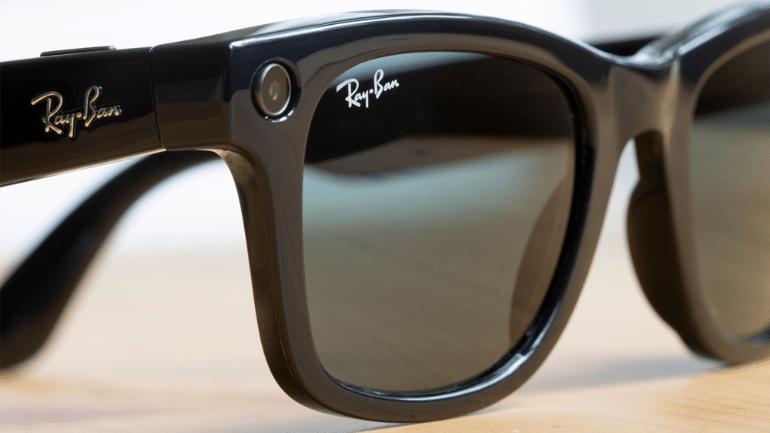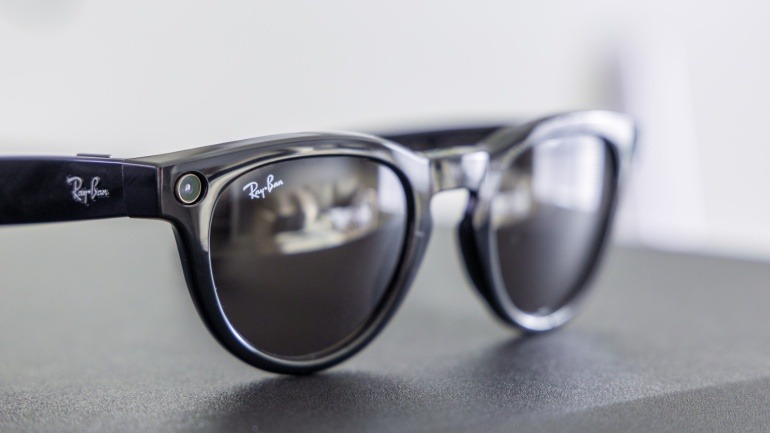
Meta has released a significant update to its Ray-Ban smart glasses, expanding their capabilities far beyond simple notifications. The update introduces Neural Handwriting controls, enhanced navigation features, extended WhatsApp functionality, and new augmented reality (AR) recording capabilities, heralding a shift in how smart glasses are used in everyday applications.
The standout feature of this update is the introduction of Neural Handwriting, now available worldwide following initial testing. This technology, compatible with both iOS and Android, allows users to input commands through subtle finger gestures. Meta has incorporated the use of a Neural Band accessory, which uses surface electromyography (sEMG) to capture minor movements in the fingers and wrists. This interaction method could make the reliance on smartphones for inputs obsolete, as users can now effortlessly write or command movements on various surfaces, from desks to hands.
Neural Handwriting isn’t just about inputting text. Meta claims it enables users to manage notifications and communicate via platforms including WhatsApp, Messenger, and Instagram, straight through the glasses. This innovation aims to streamline communication, removing the frequent need to turn to mobile devices.
Navigation has also received a substantial upgrade. This update offers enhanced walking directions across the U.S. and major global cities such as London, Paris, and Rome. It supports saved locations for home and work, with voice-guided instructions promising smoother travel experiences.
Another key feature is the new display recording capability. It allows users to document AR overlays and real-world footage with sound in one video, offering a comprehensive view of the user’s environment and digital augmentations.
The update significantly bolsters WhatsApp’s utility on the glasses. Users can now engage in group video calls and benefit from live captioning, enhancing accessibility and communication ease, particularly in noisy settings.
Significantly, Meta is also opening the platform to third-party developers via the Device Access Toolkit SDK for iOS and Android. By allowing developers to create applications or integrate with existing mobile apps, Meta aims to expand the functional boundaries of the glasses. This decision could diversify the applications for the Ray-Ban platform, encouraging innovation and broad experimentation.
For businesses, Meta’s enhancements could be transformative. The ability to access information hands-free is particularly beneficial for frontline workers, engineers, and logistics personnel. Moreover, the capability to record via display might improve remote collaborations and training by enabling easy documentation of procedures and sharing of first-hand experiences.
Improved mobility features may also elevate the productivity of professionals constantly on the move by reducing the need to frequently consult smartphones for communications or directions.
Finally, by opening its platform to developers, Meta signals an understanding that hardware success is contingent on complementary software development. A robust third-party ecosystem can drive the smart glasses platform to new heights.
While questions about privacy, adoption, and practicality linger, Meta’s latest moves to integrate smart glasses into more conventional workflows suggest an ambition to make wearable devices mainstream. As AR technology evolves, these updates are a step towards embedding smart glasses within everyday business and consumer environments.