A cable fault has disrupted a key digital route between Australia and Asia. Vocus confirmed a break on its Australia-Singapore Cable, known as ASC. The incident affected connectivity between Perth and Singapore.
The break occurred in Indonesian waters, between Anyer and Singapore. It affected wavelength and Ethernet services. These services carry large volumes of data for carriers, cloud firms, and enterprises.
As a result, traffic moved onto alternative routes. Some paths used Australia’s east coast cables. Others moved through Japan or the United States. This kept services running, but added distance and delay.
Local reports said some Melbourne-to-Singapore traffic took a long route. It reportedly passed through the United States, Japan, and Hong Kong. In some cases, latency reached around 400 milliseconds. That level can affect voice, video, gaming, and real-time applications.
Vocus has already measured the fault location. It used coherent optical time domain reflectometry from its Perth landing station. This method sends light signals through the cable. Engineers then study reflections to locate damage.
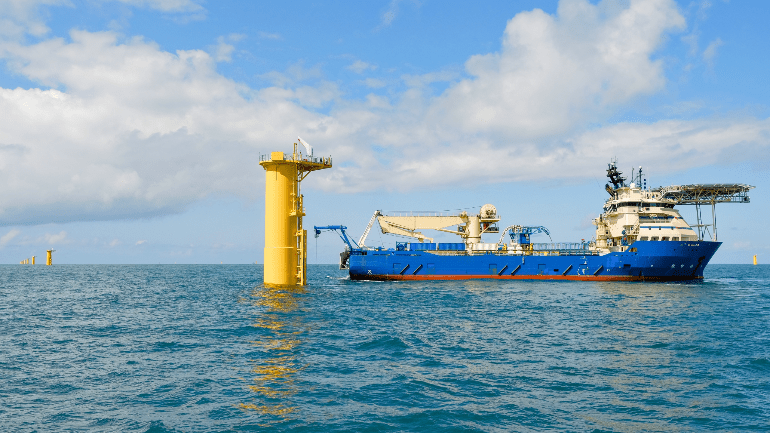
The company is now working with a marine repair partner. The process will require ships, spare cable, permits, and weather planning. Subsea repairs can take time, especially in regulated waters.
Vocus said the work includes “technical review of the latest diagnostic results, confirmation of the required spare materials, and coordination of the necessary permits and regulatory approvals.”
The 4,600km ASC system launched in 2018. It links Perth and Singapore, with branches to Christmas Island and Indonesia. The system gives Australia a direct high-capacity path into Asia. It also supports onward connectivity to Europe and the United States.
However, the outage highlights a familiar weakness in global networking. Subsea cables carry most international Internet traffic. They offer huge capacity and low delay. Yet a single cut can still reshape traffic flows across continents.
This latest event follows another major incident on the same corridor. In August, Indigo West and Indigo Central suffered shunt faults near Perth. A shunt fault happens when damaged insulation exposes a power conductor to seawater. That creates an electrical short circuit.
Subco, the owner of the Indigo systems, reported the matter to the Australian Federal Police. The company treated the incident as a potential crime.
Bevan Slattery, founder and co-CEO of Subco, said the faults happened “straight after each other and in close proximity to each other”. He also cited “some suspicious/coincidental activity from a vessel near the location and timing of the shunts”.
The AFP confirmed it is assessing the report. “The AFP has received a report of crime in relation to this matter. This report is currently being assessed based on the information provided. Further comment will be made at an appropriate time,” an AFP spokesperson said.
For operators, the message remains clear. Diverse cable routes matter more than ever. Cloud, carrier, and enterprise traffic now depends on constant international reach. Redundancy can keep traffic moving, but performance may still suffer during major cable events.