Nokia and Iceye have moved closer to supporting Ukraine’s military communications strategy. The companies signed a letter of intent with the Ukrainian military. Their aim is to develop “sovereign” satellite connectivity for secure national use.
The deal highlights a growing concern across defense and telecom circles. Nations want greater control over critical satellite links. They also want fewer dependencies on private platforms such as Starlink, especially during conflict.
Iceye operates a large synthetic aperture radar satellite constellation. This technology can observe the Earth in difficult weather and lighting conditions. That makes it useful for surveillance, emergency response, and defense planning.
Earlier this month, Nokia and Iceye announced a wider partnership. They plan to build secure low-Earth orbit communications systems for governments. Low-Earth orbit satellites fly closer to Earth than traditional satellites. This can reduce delay and improve responsiveness.
For Ukraine, resilience remains the central issue. Military operations need communications that keep working under pressure. A sovereign satellite system could offer stronger national control. However, such systems require funding, coordination, and long-term operational expertise.
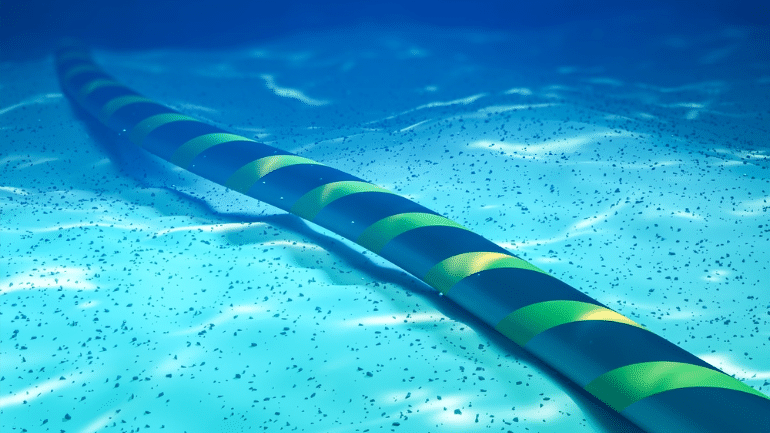
Meanwhile, the UK government is tightening its stance on subsea cable damage. Officials proposed tougher penalties for attacks on undersea cables and pipelines. Offenders could face long prison sentences and unlimited fines.
The proposals also place more duties on subsea telecom companies. Operators would need stronger risk management and resilience plans. This reflects rising fears over attacks on data, power, and gas infrastructure.
In Switzerland, Sunrise has reduced planned job cuts after consultation. The operator now expects 358 redundancies, down from 450. Sunrise says it has created a “strong social plan” for affected staff.
In Sweden, Telia reported stronger third-quarter earnings than expected. CEO Patrik Hofbauer said results were “somewhat better than anticipated,” driven by “solid service revenue growth and lower operational expenses.” The company also slightly raised its full-year earnings outlook.
Elsewhere, Telefónica is advancing quantum research in Madrid. It will deploy an IQM Spark quantum computer with IQM Quantum Computers. The system will support research at the Technical University of Madrid.
Finally, Openreach fiber will support water leak detection in Portsmouth. Lightsonic will use fiber cables as acoustic sensors. This could help utilities find leaks faster before winter demand rises.