The Global Navigation Satellite System (GNSS), a crucial yet often overlooked technology, is the backbone of many modern applications. It seamlessly integrates into daily life, powering everything from vehicle navigation and smartphones to sophisticated devices like Apple AirTags.
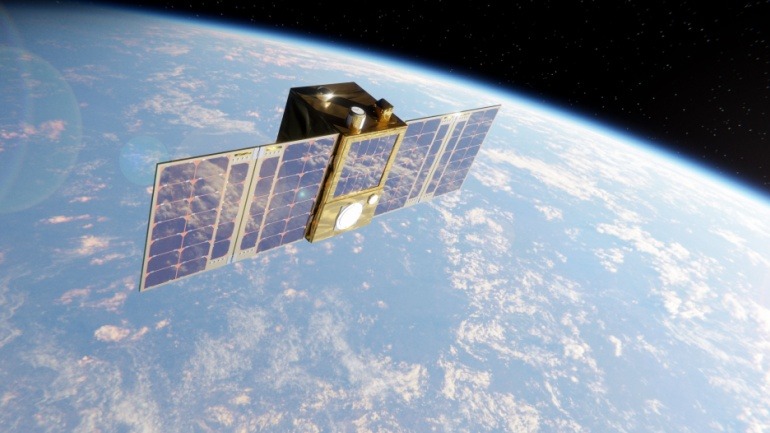
So, what exactly is GNSS, and how does it work? At its core, GNSS is part of the broader Positioning, Navigation, and Timing (PNT) ecosystem. According to NASA, GNSS provides autonomous geospatial positioning with global coverage. Essentially, constellations of satellites in medium Earth orbit transmit positioning data to a myriad of devices. These devices, embedded with GNSS receivers, process the signals to determine location and time with extraordinary precision.
The functionality of GNSS involves the concept of trilateration. A combination of satellite signals calculates position, latitude, longitude, and precise altitude, which is particularly vital for applications needing high accuracy, such as autonomous driving and geography.
A glimpse into GNSS history reveals several key systems: the U.S. Global Positioning System (GPS), the European Union’s Galileo, Russia’s GLONASS, and China’s BeiDou. Additionally, regional systems like Japan’s QZSS and India’s NavIC provide supplementary capabilities. Initially developed for military applications, GNSS has expanded to serve civilian and commercial sectors. It plays a critical role in diverse industries, including transportation, agriculture, and finance.
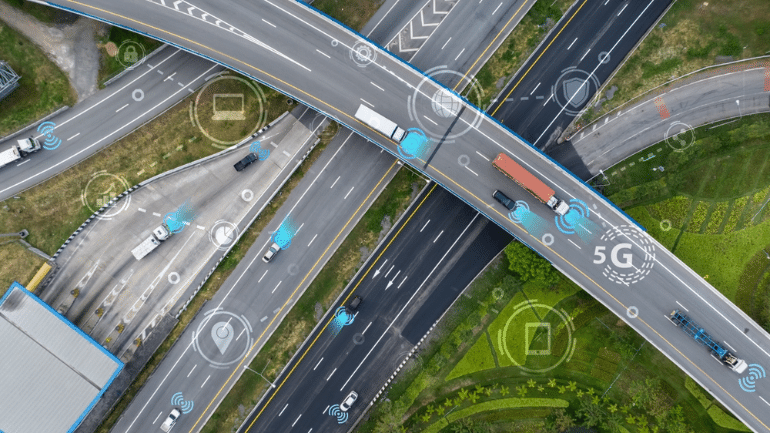
Today, GNSS’s role in autonomous driving highlights its versatility, enabling precise navigation and real-time updates. In cellular networks, it ensures high-precision synchronization, vital for seamless communication. In agriculture, GNSS aids in crop mapping and optimizing resources. Its influence extends to the defense sector, where it supports strategic operations and situational awareness.
However, the dependency on GNSS brings challenges. The U.S. Office of Space Commerce estimates GNSS added $1.4 trillion to the economy from the 1980s to 2019. Yet, it warns a GNSS outage could cost $1 billion daily, highlighting the system’s critical importance and the potential disruptions if services falter.