As technology continues to advance, the race towards autonomous workplace solutions is heating up. At the forefront of this shift is Apple, a company recognized for its innovative hardware and increasing focus on AI-driven solutions. Their aggressive bet on agentic AI is a strategic move, as they contend with companies like OpenAI and Anthropic, which have already made strides in workplace automation.
Enterprise reliance on Apple’s hardware is undeniable. Notable deployments include AstraZeneca, Snowflake, and Copel, indicating strong confidence in Apple’s devices. In Q1 FY2026, Apple recorded a monumental revenue of $143.8 billion, further solidifying its market status. However, the company’s AI capabilities have come under scrutiny, especially as the sector shifts towards more autonomous systems beyond simple assistance.
The burgeoning market for agentic AI is forecasted to expand significantly in the coming years. These systems promise advanced features that move beyond traditional chatbots. Such technologies can autonomously execute tasks and manage processes with minimal human input. While OpenAI and Anthropic are rapidly evolving their solutions, Apple’s AI, embodied in Siri, seems to lag in delivering these advanced capabilities.
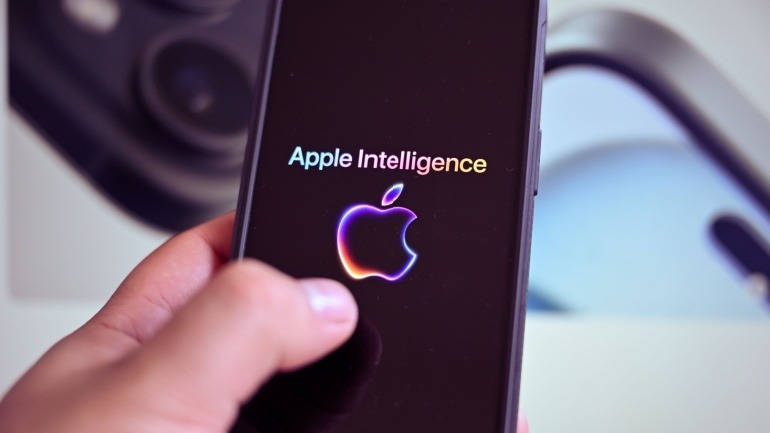
Despite Apple’s efforts, with plans for a standalone Siri app and promises of a more personalized experience by late 2026, the reality is that Siri still faces credibility and functionality challenges. Its current iteration struggles to compete with the advanced capabilities of AI systems already in use for critical business functions.
Apple’s AI strategy increasingly looks like a partnership-driven platform approach, especially with Google playing a pivotal role. This multi-model strategy may offer flexibility for end-users but creates complexities for IT and security teams within enterprises. With varying AI models potentially complicating data management and security protocols, the lack of clear guidance from Apple remains a concern for widespread enterprise adoption.
The upcoming WWDC 2026 conference is a crucial event for Apple. It will not only reveal the company’s progression in AI but also test its ability to adapt and keep pace with rapidly advancing technological demands. The pressure is on to deliver a substantial AI framework that integrates well with enterprise environments.
For enterprises, Apple hardware remains a robust choice. Strategically, it is wise to separate hardware choices from AI decisions. Using other AI toolsets, such as ChatGPT or Claude, on Apple devices is both feasible and common. However, as enterprises continue to invest heavily in AI, they need more assurance about Apple’s roadmap to seamlessly integrate these technologies into their operations.
Ultimately, while Apple is certainly investing and its hardware is unmatched, the AI race is accelerating. As enterprises plan their long-term strategies, they require greater transparency and definitive updates on Apple’s AI developments. Apple’s future hinges on its ability to turn potential into practical, sophisticated AI solutions that meet the evolving demands of enterprise productivity.