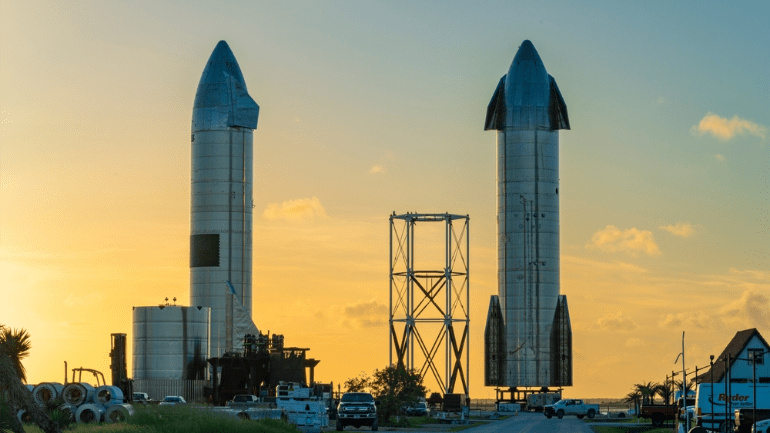
T-Mobile has introduced a groundbreaking business internet service known as SuperBroadband, combining its 5G fixed wireless access (FWA) with Starlink‘s satellite connectivity. This offers robust coverage beyond the company’s existing fiber footprint. T-Mobile asserts, “SuperBroadband is the first nationwide broadband solution to reach every ZIP code in the U.S.”
By merging 5G technology with satellite services, this solution provides redundancy and reliability, ensuring businesses remain connected during outages. This dual-path approach is becoming increasingly popular for maintaining network integrity during disruptions.
Roy Chua, Principal Analyst at AvidThink, highlighted the strategic coverage approach, “T-Mobile is covering the full broadband surface area: 5G FWA, where it has capacity and coverage, Starlink, where reach or path diversity is needed, and fiber, where economics and footprint make sense,” he said. This offering targets industries like hospitality, retail, healthcare, and energy, where connectivity directly impacts revenue.
One advantage of SuperBroadband is its streamlined contract and billing process, simplifying operations for enterprises. This feature is particularly appealing to small and medium businesses, as it eliminates the need to manage multiple internet service providers, routers, and support contracts.
A prominent feature is the 99.999% uptime guarantee, offering peace of mind without needing another ISP, especially crucial in rural regions with limited options. However, the service does note that local network performance may influence speed, and Starlink equipment must have a clear sky view.
The service starts at $250 monthly, with an extra $35 for device connections. It includes unlimited business 5G and Starlink backup data, with installation and management services provided. Customers can tailor the solution to their needs with a mandatory three-year subscription, where early termination requires full payment.
SuperBroadband operates through T-Mobile’s T-Platform, offering centralized network control. Pablo Tomasi, Principal Analyst of Private Networks at Omdia, praised the initiative: “What I like about SuperBroadband are the target markets, the user-centric message, the integration with T-Platform, and the 99.999 SLAs.”
The collaboration with Starlink marks T-Mobile’s commitment to integrating resilient satellite options into their offerings. This approach aligns with industry trends of enhancing services through satellite partnerships, as seen with other providers like AT&T and Comcast Business.
Currently in beta, SuperBroadband is in use by at least two organizations. One client in the hospitality sector expressed satisfaction, stating it provides a “resilient, always-on foundation with built-in redundancy.”
This move illustrates T-Mobile’s strategy to extend its broadband services into the enterprise sector, reimagining connectivity with innovation. The collaboration with Starlink solidifies its position in the industry, offering flexible solutions for diverse environments.