The US satellite connectivity race gained fresh momentum on October 27. The FCC approved Amazon Leo’s $11.5 billion purchase of Globalstar. This gives Amazon a fast route into direct-to-device connectivity.
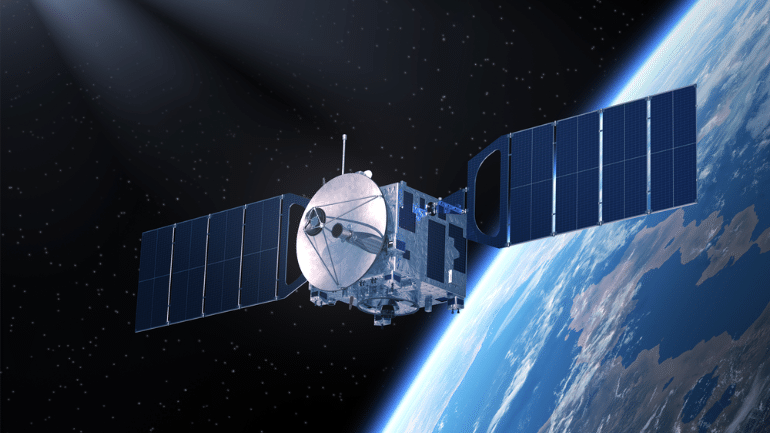
Direct-to-device, or D2D, lets phones connect through satellites when terrestrial coverage fails. For operators and device makers, it extends coverage beyond tower economics. For users, rural alerts and messages become more reachable.
Globalstar already operates around two dozen low-Earth-orbit satellites. It also supports a major Apple emergency messaging arrangement. The network reaches more than 780,000 devices across 120-plus countries. That footprint gives Amazon working assets, spectrum licenses, and operating experience.
Amazon’s wider plan reaches beyond today’s emergency-style messaging. It wants a next-generation D2D platform in 2028. The company says it could support “advanced” voice, text and data services. Regulators are also reviewing a separate plan for over 5,105 satellites.
Such scale could challenge the current leaders in satellite-to-phone services. The market already includes SpaceX and Starlink, AST SpaceMobile, and Elveo. US mobile operators are also preparing for satellite coverage gaps. AT&T, T-Mobile, and Verizon have explored a joint venture.
The deal could sharpen competition and reduce dependence on one dominant provider. Amazon brings cloud, logistics, and device ecosystem strength. Those assets may help D2D move from niche backup to mainstream service. Businesses could use it for field teams, fleets, and remote sites.
Still, Amazon faces a demanding path. Satellite deployment requires years of launches, testing, and regulatory coordination. Spectrum sharing can create friction with mobile and space operators. Voice and data services also need reliable handset integration. Customers will expect simple pricing, not another complex satellite add-on.
A former Globalstar partner, Yippy, tried to slow the acquisition. It raised concerns tied to an alleged contract dispute. Globalstar argued it had not served Yippy for years. It also accused Yippy of using merger review as leverage.
The FCC denied Yippy’s petition and cleared the transaction. Several policy groups also supported the deal. They argued Amazon could become a stronger D2D competitor. That view helped frame the acquisition as a market-expanding move.
For telecom teams, the approval marks a strategic shift. Satellite coverage is moving closer to normal mobile service. It will not replace towers or fiber. Yet it could fill gaps where networks remain hard to build. The next test is execution, not ambition.