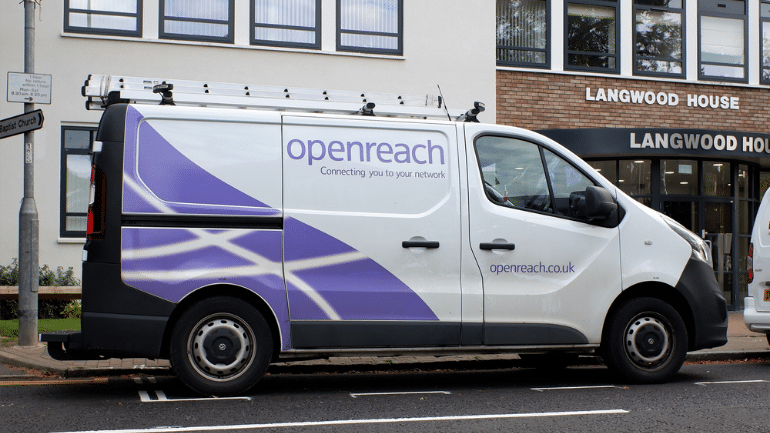
Openreach has renewed its warning over the UK’s ISDN shutdown. The deadline now carries serious weight for public bodies. On January 31, 2027, the PSTN copper network will close. For some organizations, that date is no longer distant planning.
ISDN remains common in older business phone systems. It supports switchboards that handle many calls at once. Openreach says about 44,000 multiline services still operate nationwide. Many support hospitals, prisons, schools, and large industrial sites.
The issue goes beyond routine telecom housekeeping. Openreach is the access network arm of BT. Its warning targets users who cannot tolerate voice disruption. Emergency lines, reception desks, and site communications need reliable alternatives. Once copper closes, there is no fallback for these services.
The migration also brings a clear modernization opportunity. All-IP voice can simplify management and reduce ageing hardware. Cloud calling can support remote staff and faster changes. It also aligns voice services with data networks. For VoIP engineers, this transition is long overdue.
Yet the operational risk remains high. Legacy lines often hide inside critical processes. Teams may discover dependencies only during testing or failure. That creates pressure for audits, number planning, and device checks. The hardest work may involve documentation, not new technology.
Public sector buyers also face procurement timelines. They must select suppliers, test replacements, and train users. They also need resilience plans for power and broadband outages. Digital voice needs power at local sites. That changes business continuity planning for critical locations.
At the same time, Europe’s telecom agenda keeps widening. Swisscom is testing paid consumer demand for AI services. Its myAI Max service costs 70 Swiss francs monthly. The operator says prompts will not train AI models. It also says chat data will not create user profiles.
Meanwhile, Atos and Microsoft are pursuing a sovereign cloud offer. The plan uses defined European boundaries, yet raises familiar questions. Operators and enterprises still want local control and clear accountability. However, hyperscale platforms remain deeply embedded in cloud delivery.
The UK digital picture also shows changing user behavior. Ofcom found heavy chatbot use among young people. Its survey says 81% of eight- to 17-year-olds used chatbots recently. That compares with 64% of adults. For parents and educators, adoption now outruns policy.
For network teams, the ISDN deadline is the immediate concern. The message is simple: migrate before the calendar decides. Digital voice offers flexibility, but preparation decides service continuity.