The ever-evolving landscape of workplace technology faces yet another challenge as the surge in AI infrastructure creates ripples across the personal computing market. The CEO of Framework, Nirav Patel, highlights a pivotal moment in this sphere, suggesting that the growing demand for AI could potentially reshape the very foundation of personal computing. This scenario urges enterprise IT leaders to reflect on their current and future device strategies.
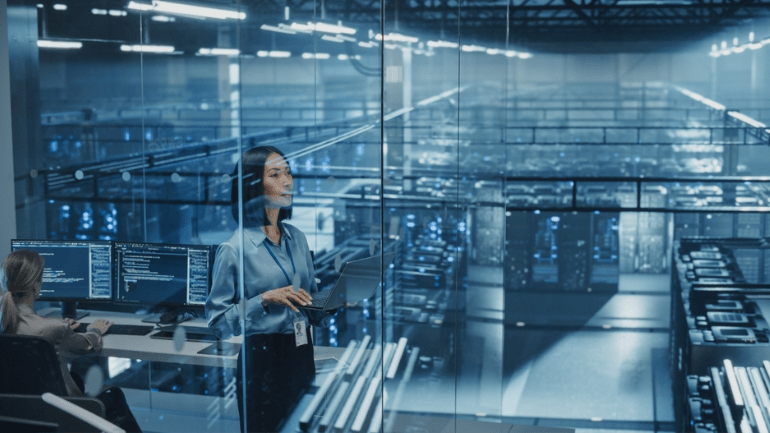
As the AI sector harnesses increasing amounts of memory, storage, and silicon for its expansive infrastructures, a supply chain imbalance emerges. Network heavyweights, such as Cisco, recognize the challenges. Chuck Robbins, their CEO, has pointed out, “Everybody’s just trying to deal with the capacity crunch right now.” Such observations underscore the immediate nature of this potential crisis.
Nirav Patel’s comments shine a light on the shifting tides. He warns that the rise of an AI-centric world diverts essential components away from standard personal computing devices, redirecting them towards the cloud. Framework, known for its focus on modular, repairable hardware, isn’t merely speculating. It sees firsthand the pressure squeezing its market trajectory.
For enterprise buyers and those governing device fleets, this creates an imperative to pivot strategies. Rising device costs aren’t the sole concern; there’s a broader shift towards cloud-heavy deployments that might minimize local controls and customization. The onset of AI-native devices from giants like HP, Lenovo, and Dell highlights a decisive industry bet on preserving local intelligence in certain endpoints.
Some see this challenge as a direct threat, while others, like Cisco’s Robbins, view it as a cost-absorption issue. “The price increases are happening upstream from us – we’re just an absorber of the price increase.” comments Robbins. As major corporations endure price pressures with their sizable revenue streams, the impact on consumer and enterprise device manufacturers is notably weightier.
The insights from Patel indicate that the market may not see an end to personal computing but rather a fork. On one side, devices may become highly cloud-reliant, while the opposite sees a resurgence in local processing power. The shift in workplace devices, thus, isn’t just about technology but represents wider strategic decisions about computing locality, expenses, and control.
Ultimately, whether personal computing is on the brink or merely transitioning, only time will tell. As Bill Gates once observed, we often overestimate short-term change and underestimate long-term impacts. This AI-driven evolution could define workplace devices’ journey well into the future. Such developments also prompt decision-makers in technology to evaluate their pathways actively, ensuring alignment with emerging digital infrastructure demands.