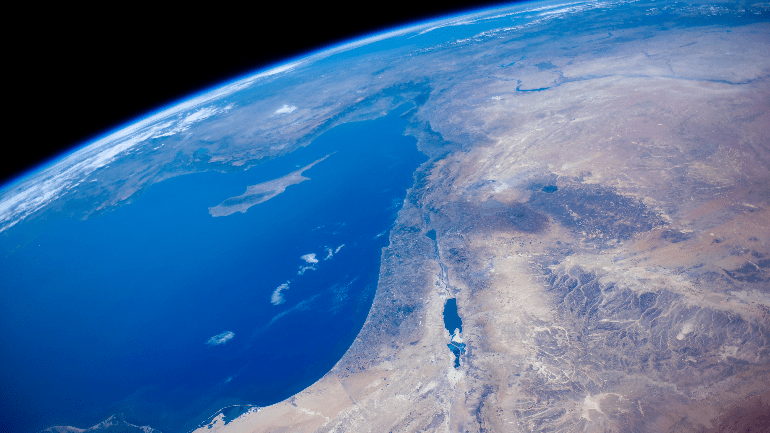
Syria and Cyprus have taken a major step in regional connectivity. The countries will link through a new 240-kilometre subsea cable across the Eastern Mediterranean.
The project, named UGARIT 2, connects Pentaskhinos in Cyprus with Tartous on Syria’s coast. UNIFI Communications, the Syrian Telecommunications Establishment, and CYTA will deliver the system.
For Syria, the deal carries strategic and symbolic weight. It supports the rebuilding of national digital infrastructure. It also marks a visible return to international telecoms cooperation.
Meanwhile, the cable could reshape regional traffic routes. Syria wants to become a bridge between Europe, the Gulf, and Asia. That ambition depends on reliable, high-capacity links.
The technical plan looks ambitious. UGARIT 2 will include 24 fibre pairs. It will initially support 31 Tbps of capacity. Tbps means terabits per second, a measure of massive data throughput.
Over time, partners could expand capacity to 370 Tbps. That would support cloud services, content delivery, and enterprise connectivity. It could also improve resilience for regional carriers.
The new system will replace the original UGARIT cable. That older system has supported Syria’s international connectivity since 1995. After nearly three decades, demand has clearly outgrown legacy infrastructure.
Syria Minister of Communications and IT, H.E. Abdulsalam Haykal, said: “Syria is building a digital hub at the crossroads of three continents. UGARIT 2, alongside our SilkLink initiative, establishes Syria as a connectivity gateway between Europe, the Gulf, and Asia.”
However, execution will matter as much as ambition. Subsea deployment requires stable regulation, financing, security, and landing infrastructure. Operators also need confidence in long-term service reliability.
Even so, the cable offers clear commercial value. It can reduce dependence on longer routes. It may also bring lower latency for regional data flows. Lower latency means data travels with less delay.
UNIFI Communications founder and CEO, Adrian Shatku, added: “UGARIT 2 is proof that USA technology, European partnership, and Syrian determination can together deliver critical infrastructure in the most complex environments – a Terabit-class system transforming Syria from an endpoint into a digital crossroads.”
For Cyprus, the deal strengthens its role as a Mediterranean connectivity hub. It also supports wider network diversity in the region. Diverse routes help operators avoid single points of failure.
Cyta CEO, George Metzakis, concluded: “Strategic investment in regional and international network infrastructure is fundamental to enabling secure, resilient, high-capacity connectivity for the Eastern Mediterranean region.”
UGARIT 2 now enters a critical delivery phase. If completed as planned, it could become more than a cable. It could become a new digital corridor for a changing region.