SpaceX has made a bold move into terrestrial wireless. The company plans to buy Grain Management’s nationwide 800 MHz spectrum portfolio. The deal could strengthen Starlink Mobile and challenge established US carriers.
Elon Musk said the transaction will enable “complete phone coverage in America”. He also called it an “earthquake” deal for those tracking spectrum battles. The language reflects SpaceX’s wider ambition. It wants tighter control over satellite and mobile connectivity.
The portfolio includes up to 14 MHz of paired 800 MHz spectrum. Low-band spectrum travels far and reaches indoors better than higher bands. That makes it valuable for rural areas and hard-to-cover buildings. It also supports Starlink’s direct-to-device strategy.
However, coverage does not equal network capacity. A signal may reach a phone in remote areas. Yet it may not support heavy mobile data demand in cities. Dense markets need many sites, strong backhaul, and extra spectrum layers.
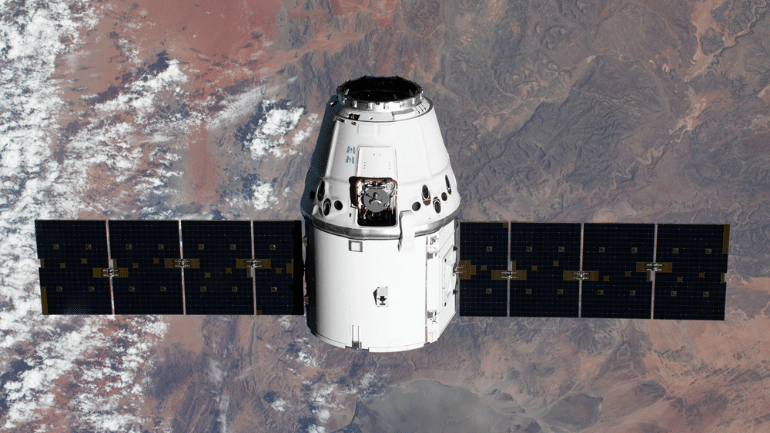
The timing is important. The FCC recently approved SpaceX plans for 15,000 direct-to-device satellites. These satellites can support mobile satellite services. They can also provide supplemental coverage where cellular networks struggle.
The agency also eased certain spectrum leasing requirements. This gives SpaceX more freedom to combine satellite and terrestrial spectrum. As a result, the company may rely less on traditional mobile partners.
The deal still faces regulatory approval. Financial terms were not disclosed. The Wall Street Journal valued the transaction at about $8 billion. Grain had earlier acquired the spectrum from T-Mobile in a separate swap involving 600 MHz holdings.
The market reacted quickly. Shares of AT&T, Verizon, and T-Mobile fell after the news. Tower companies moved higher. Investors appear to expect more demand for physical infrastructure.
Analyst Vish Nandlall urged caution about the market reaction. He said: “Verizon, AT&T and T-Mobile each lost roughly seven percent in after-hours trading… That’s a crazy market reaction to a relatively small amount of radio spectrum… Combined with its next-gen satellites, SpaceX can begin assembling a hybrid mobile network. But the spectrum provides coverage rather than much capacity.”
That distinction matters for network planning. Bernstein Research estimates a competitive national mobile network could cost $50 billion to $130 billion. BNP Paribas has suggested a US build could reach $100 billion. Those figures show how expensive full-scale competition may become.
Still, SpaceX does not need to copy incumbents immediately. It can start with rural users, vehicles, and Starlink broadband bundles. It can also lease towers or buy wholesale capacity. This path could pressure carrier pricing without a complete network build.
For telecom professionals, the message is clear. SpaceX has gained a powerful coverage asset. Yet it still needs infrastructure, partners, and proven service quality. The deal may not create a nationwide carrier overnight. But it could reshape mobile competition in unexpected ways.